courtesy, Penguin Random House
Between getting ready for Kubecon EU, 2026 (creating my poster) and getting ready for Kubecon EU, 2026 (dealing with all the travel sutff), March was a busy month.
Did get quite a bit of reading done. Did not have enough time to listen to my favourite history podcasts though :)

The Girl Who Played With Fire and The Girl Who Kicked the Hornet’s Nest, Stieg Larsson#
This is a pattern that I now see everywhere when I now read a trilogy (or series).
The first book sets up the world, the rest of them then just tell a very good story set in that world. Millennium (this series) is a very good example of this trope. The Girl with the Dragon Tattoo (which I read last month) sets up the bleak, colourless, cold, misogynistic world. And now Fire and Hornet’s Nest tell a single long story in that world. These should have been one book.
This time the focus is on Salander and her life. Something’s happened in the past, which leaves her broken. In the meanwhile, there are old men dying in hospitals, gang members getting beat up and stuff happening at the highest levels of government. How do all of these events tie together?
It’s immersive and wonderfully told. Lisbeth Salander is fire, like the title suggests!
I hope some other similar heroine catches my attention soon!
The Looking Glass War, Tinker, Tailor, Soldier, Spy and The Honourable Schoolboy, John le Carré#
More greedy old men trying to hang on to power.
MI6 is compromised, by the wily and smart, anti-Smiley, Karla. Who is the mole leaking British secrets to Russia?
An empathetic gangster, and an honourable schoolboy have a standoff at an island outside Hong Kong.
Le Carré was the one who saw and taught me how British influence waned on the world stage when all the while, the system still hung on to dreams of their “glory” days. He also taught me how to see in shades of grey.
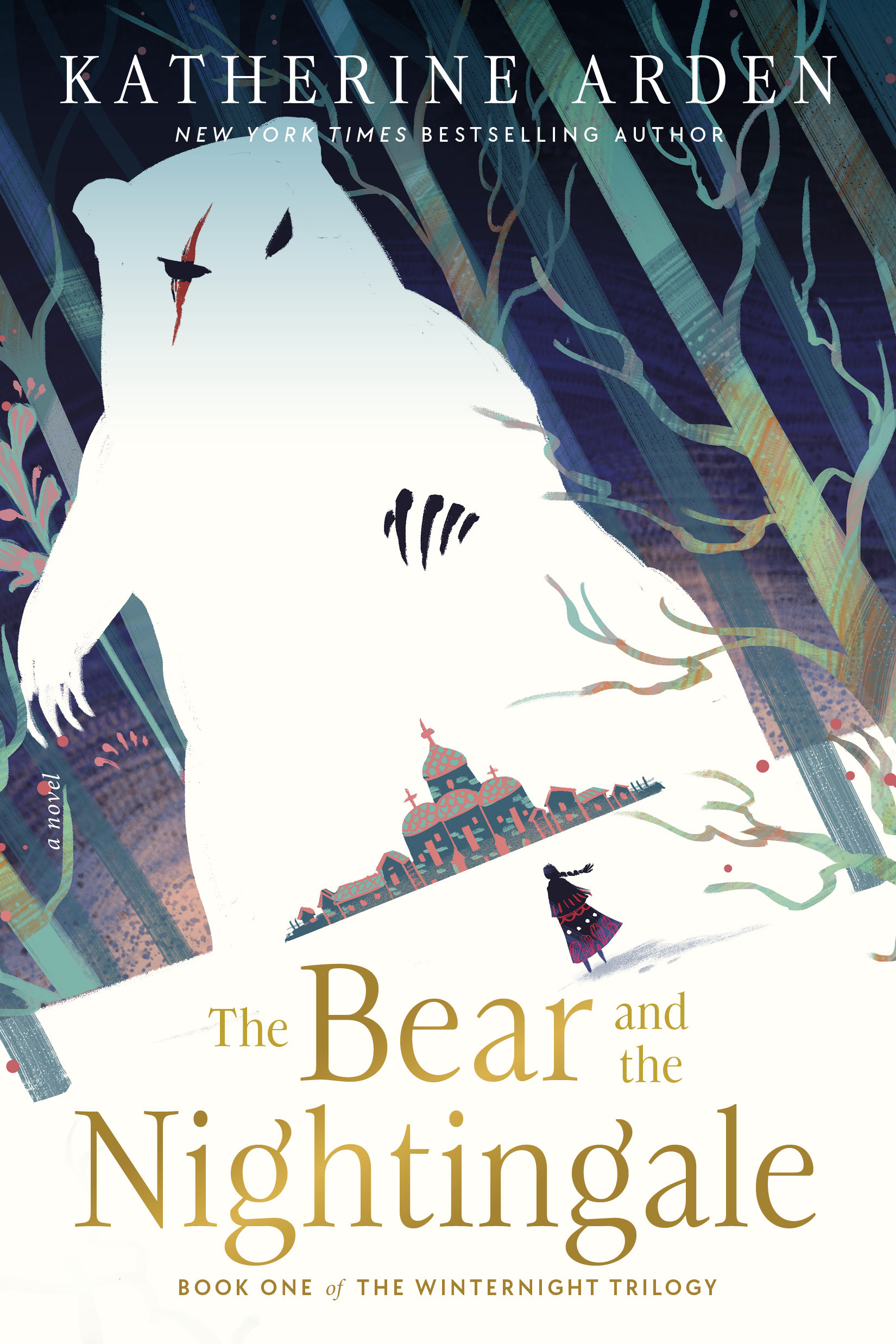
The Bear and the Nightingale, The Girl in the Tower and The Winter of the Witch (Winternight trilogy), Katherine Arden#
I do not know what you should choose. Every time you take one path, you must live with the memory of the other: of a life left unchosen.
Decide as seems best, one course or the other; each way will have its bitter with its sweet.”
Here is a clearing on the border between winter and spring. Once Vasya would have said that the cusp of spring was a moment.
But now she knew that it was also a place, at the edge of the lands of winter.
I read these in two weeks in the bracing cold of Europe.
And once again, this felt like a duology rather than a set of three. The Bear and the Nightingale sets up the world while the Girl in the Tower and the Winter of the Witch feel like a long and beautiful story set in that world.
I had read a big book of Russian folk tales as a child, and they still linger in my heart and soul to this day. I don’t remember what it was called or who wrote it, save for the fact that it was a big grey hardback with a wolf head embossed on the cover. But I read about phoenixes and big grey wolves and Tsars and Baba Yaga and Vasilisa and so many wonderful characters and stories then.
Arden takes all of them (and more that I did not read about) and weaves a beautiful story through fable and history and time. She’s a lovely storyteller. The prose is lovely too! Nature comes alive. Old faith and tradtitons tangle with the new. All against the backdrop of cold wintry nights. I absolutely loved reading Vasilisa’s coming of age and finding her path through life, all the time being framed in events that were true yet beautifully enhanced by the fantastic. I hope these books entrance young folk, while also make them read and fall in love with the old tales as well.
Feedback on this post?
Mail me at feedback at this domain.
P.S. Subscribe to my mailing list!